Home
Services
Team
Conditions
Contact
Book Now
Home
Services
Team
Conditions
Contact
Book Now
More
  • Home
  • Services
  • Team
  • Conditions
  • Contact
  • Book Now
  • Sign In

  • My Account
  • Signed in as:

  • filler@godaddy.com


  • My Account
  • Sign out

Signed in as:

filler@godaddy.com
  • Home
  • Services
  • Team
  • Conditions
  • Contact
  • Book Now

Account

  • My Account
  • Sign out

  • Sign In
  • My Account

SIJ & Pelvic Pain

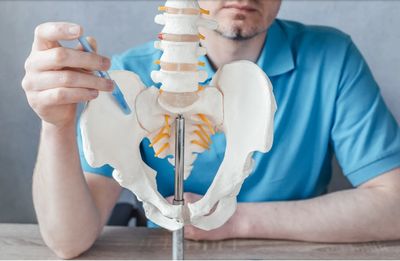
The Sacroiliac joint is an important joint where your lower spine (sacrum) joins with the pelvis (illia) forming the sacroilliac joint on both sides. This joint is very important  for weightbearing in the body and at times can cause pain based on increased movement or compression.

Signs I Symptoms

  • Pain can be caused when walking, standing as well as when bending forward.
  • The pain can be dull at rest but also increase intensity whilst performing an aggravating activity or movement such as the ones above.
  • Pain can often be common when rolling in bed or when getting in and out a chair.
  • You can often feel stiffness and reduced mobility at the hips, pelvis and lower back.

The PEAK Assessment

SIJ pain is commonly missed! At PEAK we have seen and given countless second and third opinions on missed SIJ pain by previous clinicians. 


This is because:

 The SIJ joint is located in the lower part of the spine, and often Sacroiliac joint dysfunction can mimic numerous back and hip injuries, it can cause pain lower back, hip, groin, buttock.

  • Single leg standing and activities which require transferring weight can be quite difficult which can help distinguish between lower back pain and Sacroilliac Joint pain.


What we look for:

  • The physiotherapist will look to Rule out other lower back and hip conditions which can mimic SIJ pain.
  • The therapist is looking for Tenderness on palpating the sacroilliac joint.
  • They will perform special clinical tests to tests to target the SIJ to see if this causes any of your symptoms
  • The physio will also assess muscle strength, motor control and mobility which could be contributing to the pain.

The PEAK Treatment

We initially manage pain by:

  • Initial treatment will focus on symptom relief through manual therapy, rest and occasionally NSAIDS
  • SIJ stability belts are sometimes prescribed in the short term to help with stability issues and symptom relief.
  • As the SIJ pain and inflammation settle the physiotherapist will than focus on regaining normal pain free movement, improving resting position and restore dynamic control which is important when it comes to the SIJ joint.

Longer term management strategies to aid performance and prevention include:

  • Everyone has different demands for their sacroiliac joints that will determine what specific treatment goals you need to achieve. For some, it is simply to walk around the block for others may wish to run a marathon.
  • Your physiotherapist will tailor your sacroiliac joint rehabilitation to help you achieve your own functional goals.
  • The physiotherapist will aim to ensure that you have good strength, movement and motor control around the SIJ joint to ensure ongoing management and prevention.

PHYSIO I PREVENTION I PERFORMANCE

Copyright © 2025 Peak Allied Health - All Rights Reserved.

Powered by

This website uses cookies.

We use cookies to analyze website traffic and optimize your website experience. By accepting our use of cookies, your data will be aggregated with all other user data.

Accept